Author Archives: Inderjit Singh Goraya

Unknown's avatar

About Inderjit Singh Goraya

Gurmat Saanjh is dedicated to share wisdom from the teachings of Guru Granth Sahib. Let's learn to absorb in the Divine Virtues of Compassion, Kindness, Contentment to improve and live purposefully.

ਗੁਨ ਗੋਬਿੰਦ ਗਾਇਓ ਨਹੀ

ਗੁਨ ਗੋਬਿੰਦ ਗਾਇਓ ਨਹੀ ਜਨਮੁ ਅਕਾਰਥ ਕੀਨੁ ॥
ਕਹੁ ਨਾਨਕ ਹਰਿ ਭਜੁ ਮਨਾ ਜਿਹ ਬਿਧਿ ਜਲ ਕਉ ਮੀਨੁ ॥੧॥

ਉੱਪਰੋਂ ਦੇਖਣ ਤੇ ਗੱਲ ਬੜੀ ਸੌਖੀ ਜਿਹੀ ਜਾਪਦੀ ਹੈ, ਜਿਵੇਂ ਅਸੀਂ ਅਕਸਰ ਅੱਖਰੀ ਅਰਥ ਕਰ ਲੈਂਦੇ ਹਾਂ – “ਰੱਬ ਦੇ ਗੁਣ ਗਾਏ ਨਹੀਂ, ਤੇ ਜਨਮ ਵਿਅਰਥ ਗੁਆ ਲਿਆ। ਨਾਨਕ ਇਹ ਕਹਿੰਦਾ ਹੈ ਕਿ ਹਰੀ ਦਾ ਭਜਨ ਕਰ, ਜਿਵੇਂ ਪਾਣੀ ਦੀ ਮਛਲੀ ਕਰਦੀ ਹੈ”।
ਪਰ ਧਿਆਨ ਨਾਲ਼ ਦੇਖੀਏ ਤਾਂ ਗੱਲ ਡੂੰਘੀ ਹੈ। ਗੁਣ ਕਿਵੇਂ ਗਾਉਣੇ ਨੇ? ਜੁਆਬ ਦਿੱਤਾ ਹੈ ਕਿ ਮਛਲੀ ਵਾਂਗ।
ਮੱਛੀ ਕਿਵੇਂ ਗਾਉਂਦੀ ਹੈ? ਜੇ ਇਹ ਨਹੀਂ ਪਤਾ ਤਾਂ ਸੁਆਲ ਤਾਂ ਬਣਿਆ ਹੀ ਰਹਿ ਗਿਆ।
ਅਸੀਂ ਅਕਸਰ ਅੱਖਰੀ ਅਰਥਾਂ ਤੱਕ ਰਹਿ ਜਾਂਦੇ ਹਾਂ ਕਿਉਂਕਿ ਅਸੀਂ ਮਿਹਨਤ ਨਹੀਂ ਕਰਨਾ ਚਾਹੁੰਦੇ ਗੁਰੂ ਦੀ ਗੱਲ ਨੂੰ ਸਮਝਣ ਲਈ। ਗੁਰੂ ਜੀ ਨੇ ਜੋ ਲਿਖਿਆ ਹੈ, ਉਹ ਸਾਡੇ ਲਈ ਹੈ, ਸਾਡੇ ਭਲੇ ਲਈ। ਉਸਨੂੰ ਸਮਝ ਕੇ ਜੀਵਨ ‘ਚ ਢਾਲ਼ ਕੇ ਹੀ ਭਲਾ ਹੋਣਾ। ਤੇ ਸਮਝਣ ਦਾ ਹੀ ਤਾਂ ਰੌਲ਼ਾ ਹੈ। ਸਮਾਂ ਤੇ ਮਸ਼ੱਕਤ ਲੱਗਦੀ ਹੀ ਹੈ। ਆਓ ਕੋਸ਼ਿਸ਼ ਕਰੀਏ ਸਮਝਣ ਦੀ।
ਮੱਛੀ ਨੂੰ ਕਿਸੇ ਨੇ ਗਾਉਂਦਿਆਂ ਨਹੀਂ ਸੁਣਿਆ। ਉਸਦਾ ਜੀਵਨ ਗਾਉਂਦਾ ਹੈ। ਮੂੰਹ ਤੋਂ ਨਿਕਲ਼ੇ ਲਫਜ਼ਾਂ ਦੀ ਗੱਲ ਨਹੀਂ ਹੈ ਏਥੇ। ਮੂੰਹ ਤੋਂ ਰੱਬ ਦੀਆਂ ਸਿਫਤਾਂ ਗਾਉਣ ਵਾਲ਼ੇ ਬਥੇਰੇ ਆਏ ਗਏ। ਰੱਬ ਕੋਈ ਖੁਸ਼ਾਮਦੀ ਨਹੀਂ ਕਿ ਅਸੀਂ ਗੁਣ ਗਾਈਏ ਤੇ ਉਹ ਖੁਸ਼ ਹੋ ਜੇ। ਗੁਰਬਾਣੀ ਇਸ ਗੱਲ ਦੀ ਹਾਮੀ ਨਹੀਂ ਭਰਦੀ ਕਿ ਰੱਬ ਨੂੰ ਖੁਸ਼ ਕਰਨ ਲਈ ਉਸਦੇ ਗੀਤ ਗਾਓ। ਬਾਣੀ ਵਿੱਚ “ਗੁਣ ਗਾਉਣਾ” ਕੀ ਹੈ, ਇਹ ਸਮਝਣਾ ਪਵੇਗਾ। ਜੇ ਬੋਲ ਕੇ ਗੁਣ ਗਾਉਣ ਨਾਲ਼ ਰੱਬ ਖੁਸ਼ ਹੁੰਦਾ ਹੈ, ਤਾਂ ਗੂੰਗੇ ਤਾਂ ਖੁਸ਼ੀ ਤੋਂ ਵਾਂਝੇ ਰਹਿ ਗਏ। ਤੇ ਜਿਹੜਾ ਮੰਗਤਾ ਸਾਰਾ ਦਿਨ ਰੱਬ ਦੇ ਨਾਂ ਤੇ ਮੰਗਦਾ ਹੈ, ਉਹ ਸਰਬੋਤਮ ਹੋ ਗਿਆ।
ਮੱਛੀ ਬੋਲਦੀ ਨਹੀਂ। ਕੋਈ ਗੀਤ ਨਹੀਂ ਗਾਉਂਦੀ। ਉਸਦੀ ਜ਼ੁਬਾਨ ਅਸੀਂ ਨਹੀਂ ਸਮਝਦੇ। ਇਸ ਲਈ ਐਸਾ ਕੀ ਗਾਉਂਦੀ ਹੈ ਜੋ ਗੁਰੂ ਜੀ ਉਸਦਾ ਉਦਾਹਰਣ ਦੇ ਰਹੇ ਨੇ?
ਪਾਣੀ ਵਿੱਚ ਰਹਿੰਦੀ ਮੱਛੀ ਉਸ ਵਿੱਚ ਹੀ ਜੀਵਨ ਬਤੀਤ ਕਰਦੀ ਹੈ। ਉਸ ਵਿੱਚ ਹੀ ਉਸਦਾ ਭੋਜਨ ਵੀ ਹੈ, ਉਸਦੇ ਸ਼ਿਕਾਰੀ ਵੀ। ਉਸ ਤੋਂ ਬਾਹਰ ਬਾਰੇ ਉਹ ਨਹੀਂ ਸੋਚਦੀ। ਬਾਹਰ ਕੱਢੋ ਤਾਂ ਤੜਫਦੀ ਹੈ। ਮੁੜ ਪਾਣੀ ‘ਚ ਪਾ ਦਵੋ, ਤਾਂ ਇੰਝ ਜਿਵੇਂ ਧੰਨਵਾਦੀ ਹੋ ਗਈ। ਉਸਦਾ ਜੀਵਨ ਗਾ ਰਿਹਾ ਹੈ। ਕੋਈ ਸ਼ਿਕਾਇਤ ਨਹੀਂ ਹੈ। ਭਾਵੇਂ ਉਸਦੇ ਸ਼ਿਕਾਰੀ ਵੀ ਓਥੇ ਨੇ। ਭਾਵੇਂ ਪਾਣੀ ਘੱਟ ਹੋਵੇ, ਪਰ ਉਹ ਉਸ ਵਿੱਚ ਹੀ ਖੁਸ਼ ਹੈ। ਉਸਨੂੰ ਬੋਲ ਕੇ, ਢੋਲਕੀ ਛੈਣੇ ਵਜਾ ਕੇ, ਜਾਂ ਕੋਈ ਅਡੰਬਰ ਕਰਕੇ ਰੱਬ ਦਾ ਧੰਨਵਾਦ ਜਾਂ ਗਿਲਾ ਕਰਨ ਦੀ ਲੋੜ ਨਹੀਂ। ਉਹ ਰੱਬ ਵੱਲੋਂ ਮਿਲ਼ੇ ਜੀਵਨ, ਤੇ ਉਸ ਜੀਵਨ ਦੇ ਨਿਯਮਾਂ ਵਿੱਚ ਰਹਿ ਕੇ ਅਪਣਾ ਜੀਵਨ ਜੀ ਰਹੀ ਹੈ।

ਮੇਰੇ ਮਨਾ, ਜਦ ਤੂੰ ਰੱਬੀ ਹੁਕਮ ਵਿੱਚ ਮਿਲ਼ੇ ਜੀਵਨ, ਤੇ ਉਸਦੇ ਉਤਾਰ-ਚੜ੍ਹਾਅ ਤੋਂ ਤੰਗ-ਪਰੇਸ਼ਾਨ ਹੁੰਦਾ ਹੈਂ, ਤੇ ਸ਼ੁਕਰ ਕਰਨ ਦੀ ਥਾਂ ਸ਼ਿਕਾਇਤਾਂ ਤੇ ਮੰਗਾਂ ‘ਚ ਪੈ ਜਾਂਦਾ ਹੈ, ਤਾਂ ਤੂੰ ਗੁਣ ਨਹੀਂ ਗਾ ਰਿਹਾ। ਹੋਰ ਨਹੀਂ ਤਾਂ ਉਸ ਮੱਛੀ ਤੋਂ ਹੀ ਸਿੱਖ ਲੈ।

Puppets

If you live as a puppet of your lowest instincts, then anyone who learns how to provoke those instincts can control you. Anger, greed, jealousy, lust, pride, and fear are the strings. Whoever pulls them makes you move.

In today’s world, this truth is more visible than ever. Social media and clever algorithms study your habits, likes, and reactions. They reduce you to patterns of behavior, just numbers and data points. Once they know what triggers you, it becomes easy to push your buttons. At that point, when someone says the right word or shows the right image, you react automatically. They know exactly what the button does, and you start to dance like a puppet.

The philosopher Marcus Aurelius once said, “It’s time you realize that you have something in you more powerful and miraculous than the things that affect you and make you dance like a puppet.” His words remind us that there is always a choice. You can learn to pause, breathe, and respond with clarity instead of reacting blindly.

Carl Jung put it another way: “Until you make the unconscious conscious, it will direct your life and you will call it fate.” This means that unless you become aware of your triggers, they will rule over you. You might think life is just happening to you, when in reality you are being pulled by hidden strings.

The first step is control. Control of your emotions, your reactions, and your inner world. This does not mean suppressing feelings. It means noticing them, understanding them, and choosing wisely instead of letting instincts choose for you.

Base instincts are the easiest to manipulate because they are the simplest. That is why those who live only by them remain slaves to others. But those who rise above them become free.

Do not let others pull your strings. Cut the cords, take back control, and choose to live as a human being with awareness, not as a puppet on display.

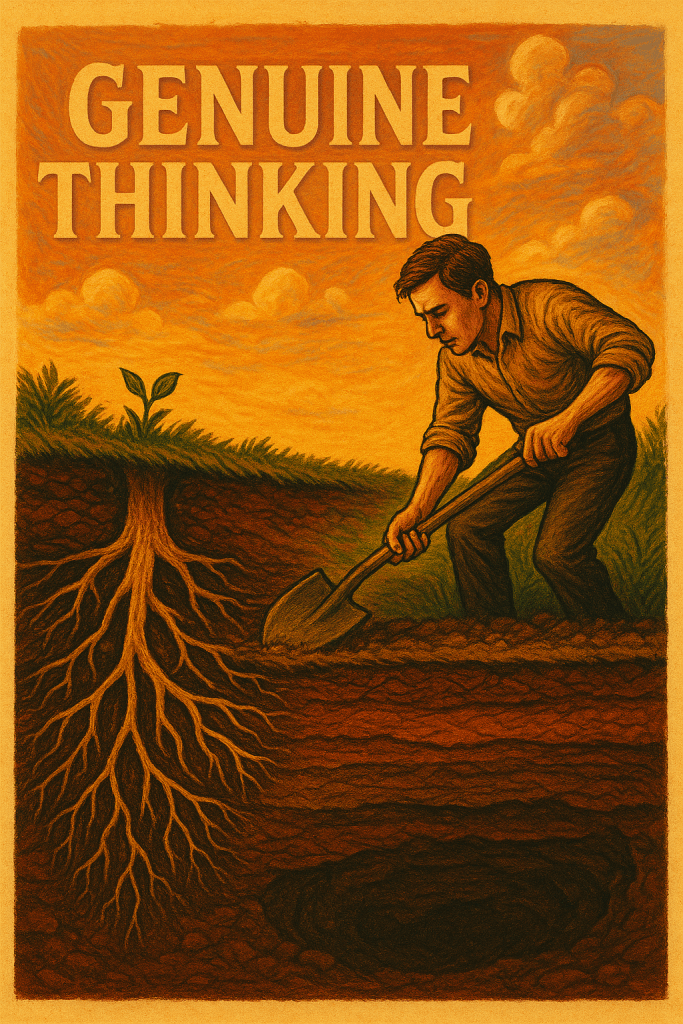
Genuine Thinking

Genuine thinking is like digging into the earth. You begin with one thought, one small question, and as you keep going, it opens the way to another thought, then another. Each layer takes you deeper, just like digging through the soil to find what lies beneath.

When you truly think, you do not just settle for the first answer that comes to mind. You start asking yourself, “Why do I believe this? Where does this idea come from? What lies behind it?” This process often challenges your own assumptions. Sometimes you reach a firm foundation, a truth that feels solid and lasting. Other times, you discover there is no real ground beneath your belief, only empty air. That is the power of genuine thinking.

There is an important difference between deep thinking and overthinking. Deep thinking is like following a chain of questions that are all connected to each other. Each question takes you closer to clarity. Overthinking, on the other hand, is when you keep circling the same question, looking for endless answers but never moving forward. Overthinking traps you, while deep thinking frees you.

Deep thinking is not easy. It demands patience, attention, and the willingness to sit with difficult questions. It often takes weeks or even months to get to the heart of a concept. It can feel exhausting because the mind has to work very hard. That is why very few people practice true deep thinking. Most prefer quick answers, even if they are shallow, because it feels easier.

Yet deep thinking has its rewards. It brings insights that feel like revelations. It allows you to see the world more clearly and understand truths that escape casual thought. It is often said that only a person of deep feeling can think deeply, because real thought requires sincerity and care.

So if you wish to think deeply, prepare yourself for the effort. Be patient with your mind. Follow the trail of questions until you reach the roots. The journey is demanding, but it is also one of the most valuable things you can do for yourself

Break the Roof

I have always loved this quote.

“When you are asked if you can do a job, tell ’em, ‘Certainly I can!’ Then get busy and find out how to do it.”
– Theodore Roosevelt

It is a great reminder that we often have to try things we are not ready for. We wait to feel prepared or to know everything. But life does not wait. Growth begins when we take the first step, even if we are unsure.

Think about babies. They are not ready to walk at first. Their legs are weak, and they fall many times. But they keep trying, and eventually, walking becomes natural. Life is like that too. Growing up is full of challenges we are not fully prepared for. These challenges are exactly what help us grow.

No one can stop you from being yourself. Being true to yourself means testing your limits and questioning what you were taught about what you can or cannot do. This is important if you want to handle life in a world that keeps changing.

To do this, we need to have a beginner’s mindset. Every day is a new chance to learn, to start fresh, and to grow. Real experts are not the people who know everything. Real experts are the ones who keep learning, stay curious, and understand that growth never really ends.

Growth also means breaking expectations. It is showing others who you are becoming, not who you were in the past. Every step you take in something new shows your courage and your strength.

The simple rule for progress is this. Do the things you are not ready for yet. It is not reckless. It is how we build confidence, willpower, and inner strength. Every time you try something new, you grow a little more.

Growth comes from stepping into the unknown. Growth comes from believing in yourself before you have all the answers. Growth comes from having the courage to do what you are not qualified to do yet.

This is how we change. This is how we get stronger, wiser, and live more fully.

Glories of the Lord


Singing the glories of God. 

Again, to sing someone’s glory means, He is different than me. This goes contradictory to the concept of Oneness. 

Guruji used words and examples popular and known to the people he was talking to. For ages, people in this part of world were made to believe that you must sing glories of God to impress Him, chant his name to get emancipated. There was no other way out to make them understand. So Guruji has used those words,but the context is totally different. 

80% of Baani is addressed to the Mind. 

O mind, be one with your true self (God). 

Because its we, our thoughts,  our mind, that is making us run outwardly. So, the outward pleasures and pains hve become the centre of pur focus. And ironically, those same have become the centre of focus in our religious rituals, so called ‘meditation’ too. 

So, the first thing is to address our own self to remain with, sit with own superior, divine self, within.

About 10% of Baani is addressed to the consciousness, intellect. Again the same motive. To heed to the inner saint, inner higher consciousness.

About 10% of Baani appears to be addressed to God. But, indirectly it is addressed to mind and conscious only. 

When Guruji says 

“Saache sahiba kya naahi ghar tere”

(O true Lord, what is not in your house!!)

It is direct address to the mind that remember every solution and power resides with the Lord, who lives within you. Believe in Him. Believe in yourself. Your Divine Self.

So, singing or reading Baani doesn’t really mean glories of God, it is to awaken, or rather keep reminding ourselves about the source of all pleasure and pain, success and failure, treasures and poverty, problems and solutions…lies within us. 

That means our ardaas, prayers are indirectly towards our inner self, to work upon the wisdom provided in the words to grow strong and One with the Almighty, within.

Guru ji says,

“Sab kichh ghar meh, baahar naahi

Baahar tole, so bharam bhula hi”

(You have everything within you. Nothing is outside. If you are trying to find it outside, you are lost.)

Simran/Meditation

Gurbani has a clear and straight meaning for meditation. It is to focus on your own self. To look for the problems and their solutions within. To become true to one’s divine self.

Simran/Meditation is not an activity, it is a state of mind. Continuous focus on self.

No technique or method will work. All the methods focus on outer chanting, singing, sitting, practices…  And hence the focus too shifts outwards.
Guruji makes it much much simpler. He says God lives within you, within all. No need to find Him. You are His manifestation. All the ‘names’ of “God” come from one or other language, which again is human creation. The words of glory of God, again human creation. According to Guruji, creation cannot comprehend the Creator. So, rather trying to find and focus on God, focus on your own self. Analyze yourself sincerely. This is meditation. This can be done 24×7. While walking, talking, eating, drinking, playing, laughing…doing all chores. No need to sit for hours, no need to go for pilgrimages, no need to wash body in ‘holy’ waters. Wash your mind with wisdom. Yes, you must spend time to read and contemplate on whatever knowledge you obtain from your surroundings – be it Baani, religious books, elders, people, things, situations- internalize the truth. Work on your own self. Inner self.
When Guruji talks about remembering ‘name’, he certainly doesn’t mean to chant or repeat certain ‘name’ or word. ‘Naam’ in Baani has different contextual meanings. And most often is directed towards remembering your true self.
We may sit for hours to study, chant, at some odd early morning hours, but what matters is what we do and how we behave in rest of the time in the world, with the world.

To sincerely know ‘what I am doing’, is the focus of Guru Nanak’s meditation.
The method here is just to constantly remind our self to heed to the inner voice – conscience- the voice of God within. To follow the Guru, who is within (Guru is the wisdom, the internalized knowledge- which we acquire from a person, text or situation).

Be attentive to that Guru, that voice. To wash the mind in those holy waters within, to sit in peace within – even when outwardly we are driving, walking talking eating… To focus towards that calm and stability.

In words of Guru Nanak:
“Sab gun tere mae nahi koe
Vin gun keete bhagat(i) na hoe” (Japji Sahib)

God, who lives within us, is the sum total of all goodness, virtues. Meditation is to achieve that goodness. Nothing else is meditation.

So, meditation is to focus and analyze our own self and work on ourselves. Like a farmer works hard in the fields to select the required plants and root out the unwanted weeds. Once, we start sorting ourselves, planting goodness and virtues in our self, and rooting all those undesirable out of our self, we move towards become One with our divine self. That is the target, the purpose of meditation, life. To achieve Oneness (Ek Onkaar) with our own self

ਗੁਰੂ ਦੀ ਕਿਰਪਾ, ਤੇ ਗੁਰੂ ਦੀ ਸੇਵਾ

ਸਿੱਖ ਧਰਮ ਵਿੱਚ ਸੇਵਾ ਦਾ ਸੰਕਲਪ ਬਹੁਤ ਵੱਡਾ ਹੈ। ਗੁਰਬਾਣੀ ਵਿੱਚ ਬਹੁਤ ਥਾਂ ਸੇਵਾ ਦੀ ਗੱਲ ਆਉਂਦੀ ਹੈ। ਕਈ ਥਾਵਾਂ ਤੇ ਗੁਰੂ ਦੀ ਸੇਵਾ ਦੀ ਗੱਲ ਹੈ, ਕਈ ਥਾਈਂ ਪਰਮਾਤਮਾ ਦੀ ਸੇਵਾ। ਉਂਝ ਅਰਥ ਵੀਚਾਰ ਕਰਦਿਆਂ ਭਾਵੇਂ ਅਸੀਂ ਇਨ੍ਹਾਂ ਦੇ ਫਰਕ ਨੂੰ ਨਜ਼ਰਅੰਦਾਜ਼ ਕਰ ਜਾਂਦੇ ਹਾਂ, ਪਰ ਇਹ ਦੋ ਵੱਖੋ ਵੱਖ ਸੰਕਲਪ ਹਨ, ਤੇ ਦੋਵਾਂ ਦਾ ਸੁਮੇਲ ਹੀ ਸਿੱਖ ਜੀਵਨ ਨੂੰ ਉੱਤਮ ਬਣਾਉਂਦਾ ਹੈ। 
ਏਦਾਂ ਹੀ ਪਰਮਾਤਮਾ ਦੀ ਕਿਰਪਾ ਤੇ ਗੁਰੂ ਦੀ ਕਿਰਪਾ ਦੀ ਗੱਲ ਵੀ ਬਾਰ-ਬਾਰ ਹੁੰਦੀ ਹੈ।
ਆਓ, ਅੱਜ ਗੁਰੂ ਦੀ ਸੇਵਾ, ਅਤੇ ਗੁਰੂ ਦੀ ਕਿਰਪਾ ਬਾਰੇ ਵੀਚਾਰ ਕਰੀਏ।
ਬਹੁਤ ਵਾਰ ਅਸੀਂ ਇਹ ਸੁਣਦੇ ਹਾਂ ਕਿ ਗੁਰੂ ਦੀ ਸੇਵਾ ਨਾਲ ਗੁਰੂ ਦੀ ਕਿਰਪਾ ਮਿਲੇਗੀ। ਨਾਲ਼ ਹੀ ਕਈ ਵਾਰ ਇਹ ਵੀ ਸੁਣੀਦਾ ਹੈ ਕਿ ਗੁਰੂ ਦੀ ਕਿਰਪਾ ਹੋਵੇ ਤਾਂ ਹੀ ਗੁਰੂ ਦੀ ਸੇਵਾ ਹੁੰਦੀ ਹੈ। ਇਹ ਗੱਲਾਂ ਇਕ ਦੂਜੇ ਤੋਂ ਉਲਟ ਮਹਿਸੂਸ ਹੁੰਦੀਆਂ ਨੇ। ਪਰ ਜੇ ਅਸੀਂ ਗੁਰਬਾਣੀ ਨੂੰ ਪੜ੍ਹਨਾ ਸ਼ੁਰੂ ਕਰੀਏ, ਤਾਂ ਜਰੂਰ ਇਨ੍ਹਾਂ ਦੋ ਸ਼ਬਦਾਂ -ਸੇਵਾ ਅਤੇ ਕਿਰਪਾ- ਨੂੰ ਸਮਝਣ ਨੇੜੇ ਪੁੱਜ ਪਾਵਾਂਗੇ। 
ਪਹਿਲਾਂ ਇਹ ਜਾਣ ਲਈਏ ਕਿ ਗੁਰੂ ਦੀ ਸੇਵਾ ਬਾਰੇ ਦੋ ਪੱਖ ਹਨ। 
ਪਹਿਲਾ ਹੈ ਬਾਹਰੀ ਪੱਖ। ਗੁਰਬਾਣੀ ਵਿੱਚ ਉਸਦਾ ਵੀ ਜਿਕਰ ਹੈ, ਪਰ ਬਹੁਤੀ ਥਾਈਂ ਸੇਵਾ ਦੇ ਅੰਦਰੂਨੀ ਭਾਵ ਹਨ। ਬਾਹਰੀ ਪੱਖ ਹੈ ਕਿ ਜਿਸ ਗੁਰੂ ਕੋਲੋਂ ਗਿਆਨ ਮਿਲ ਰਿਹਾ ਹੈ, ਉਸ ਦਾ ਸਤਿਕਾਰ। ਜਦ ਸਤਿਗੁਰੂ ਸ਼ਰੀਰ ਰੂਪ ਵਿਚਰਦੇ ਸਨ, ਓਦੋਂ ਅਸੀਂ ਉਨ੍ਹਾਂ ਕੋਲ਼ ਰਹਿ ਕੇ ਹੱਥੀਂ ਸੇਵਾ ਕਰਦੇ ਸੀ। ਅੱਜ ਵੀ ਗੁਰੂ ਗ੍ਰੰਥ ਸਾਹਿਬ ਨੂੰ ਪੂਰਨ ਸਤਿਕਾਰ ਦੇਣਾ, ਸੀਸ ਨਿਵਾਉਣਾ, ਸਾਂਭ-ਸੰਭਾਲ ਕਰਨਾ ਸੇਵਾ ਹੈ।
ਪਰ, ਗੁਰਬਾਣੀ ਵਿੱਚ ਗੁਰੂ ਦੀ ਸੇਵਾ ਦਾ ਜੋ ਬਾਰ-ਬਾਰ ਜਿਕਰ ਹੁੰਦਾ ਹੈ, ਉਸ ਸੇਵਾ ਨੂੰ ਜੇਕਰ ਸਿੱਧੇ ਲਫਜ਼ਾਂ ਵਿੱਚ ਕਹਿਣਾ ਹੋਵੇ ਤਾਂ ਇਹੋ ਭਾਵ ਹੈ ਕਿ ਗੁਰੂ ਦੀ ਕਹੀ ਗੱਲ ਨੂੰ ਅਮਲ ਵਿੱਚ ਲਿਆਉਣਾ। ਉਂਜ ਵੀ ਇਹ ਇੱਕ ਸਿੱਧੀ ਸਪਸ਼ਟ ਗੱਲ ਹੈ ਕਿ ਜੇ ਗੁਰੂ ਦੀ ਗੱਲ, ਗੁਰੂ ਦੇ ਗਿਆਨ, ਗੁਰੂ ਦੇ ਹੁਕਮ ਨੂੰ ਅਸੀਂ ਮੰਨਿਆ ਹੀ ਨਹੀਂ, ਤਾਂ ਫਿਰ ਸੇਵਾ ਕਾਹਦੀ ਕੀਤੀ? ਮੰਨਣ ਤੋਂ ਭਾਵ ਹੀ ਉਸ ਬਚਨ, ਉਸ ਹੁਕਮ ਨੂੰ ਜੀਵਨ ਵਿੱਚ ਢਾਲਣ ਨਾਲ਼ ਹੈ।
ਕੋਈ ਸਿਆਣਾ, ਕੋਈ ਵੱਡਾ ਸਾਡੇ ਘਰ ਵਿੱਚ ਹੋਵੇ ਜਿਸਨੂੰ ਅਸੀਂ ਹਰ ਤਰ੍ਹਾਂ ਨਾਲ਼ ਆਉਂਦੇ ਜਾਂਦੇ ਮੱਥੇ ਵੀ ਟੇਕੀਏ, ਉਸਦੀਆਂ ਲੱਤਾਂ ਵੀ ਘੁੱਟੀਏ, ਖਾਣ-ਪੀਣ ਲਈ ਸਭ ਕੁਝ ਕਰੀਏ – ਭਾਵ ਬਾਹਰੋਂ ਹਰ ਤਰ੍ਹਾਂ ‘ਸੇਵਾ’ ਕਰੀਏ, ਪਰ ਜੇ ਉਸਦੀ ਗੱਲ ਹੀ ਨਾ ਮੰਨੀਏ, ਤਾਂ ਉਹ ਸੇਵਾ ਨਹੀਂ ਹੈ। ਦਰ-ਅਸਲ ਅਸੀਂ ਸੇਵਾ ਦੇ ਮਾਇਨੇ ਹੀ ਬਾਹਰੀ ਰੱਖ ਲਏ ਹਨ। ਸੇਵਾ ਲਫਜ਼ ਦੇ ਅਰਥ ਹੀ ਬਦਲ ਚੁੱਕੇ ਨੇ, ਇਸਲਈ ਜਦ ਗੁਰੂ ਦੀ ਸੇਵਾ ਜੀ ਵੀ ਗੱਲ ਆਉਂਦੀ ਹੈ ਤਾਂ ਸਾਡੇ ਕੋਲ਼ ਮੱਥਾ ਟੇਕਣਾ, ਗੁਰਦੁਆਰੇ ਬਣਾਉਣਾ, ਫੁੱਲਾਂ ਦੀ ਵਰਖਾ, ਸੋਹਣੇ ਰੁਮਾਲੇ, ਪਾਲਕੀਆਂ, ਚੌਰ ਆਦਿ ਹੀ ਪੱਲੇ ਰਹਿ ਗਿਆ ਹੈ। ਗੁਰੂ ਦੀ ਸੇਵਾ ਦੇ ਅਸਲ ਭਾਵ ਨੂੰ ਅਸੀਂ ਗੌਲਿਆ ਹੀ ਨਹੀਂ। ਗੁਰੂ ਦੀ ਸੇਵਾ ਹੈ ਗੁਰੂ ਦੇ ਕਹੇ ਨੂੰ ਅਮਲ ਵਿੱਚ ਲਿਆਉਣਾ।
ਇਦਾਂ ਹੀ ਗੁਰੂ ਦੀ ‘ਕਿਰਪਾ’ ਵੀ ਅਸੀਂ ਕਿਸੇ ਹੋਰ ਪਾਸੇ ਨੂੰ ਲੈ ਗਏ। ਜਦ ਇਹ ਗੱਲ ਸਾਨੂੰ ਕਹਿ ਦਿੱਤੀ ਗਈ ਕਿ ਗੁਰੂ ਦੀ ਕਿਰਪਾ ਨਾਲ ਗੁਰੂ ਦੀ ਸੇਵਾ ਹੋਣੀ, ਫਿਰ ਕਮਜੋਰ ਮਨ ਨੂੰ ਬਹਾਨਾ ਮਿਲ ਗਿਆ। ਜਦ ਵੀ ਕੋਈ ਮਸਲਾ ਬਣਿਆ, ਨਾਲ਼ ਹੀ ਚੁੱਕ ਕੇ ਸਾਰਾ ਇਲਜਾਮ ਗੁਰੂ ਤੇ ਲਗਾ ਦੇਂਦੇ ਹਾਂ ਕਿ ਅਜੇ ਗੁਰੂ ਨੇ ਕਿਰਪਾ ਨਹੀਂ ਕੀਤੀ। ਅਸੀਂ ਭੁੱਲ ਹੀ ਜਾਂਦੇ ਹਾਂ ਕਿ ਗੁਰੂ ਤਾਂ ਸਦਾ ਹੀ ਕਿਰਪਾ ਕਰ ਰਿਹਾ ਹੈ।
ਹੁਣ ਜੇ ਇਸਨੂੰ ਇੰਝ ਦੇਖੋ ਕਿ ਗੁਰੂ ਉਹ ਹੈ ਜੋ ਗਿਆਨ ਦੇਂਦਾ ਹੈ। ਤਾਂ ਗੁਰੂ ਦੀ ਕਿਰਪਾ ਕੀ ਹੈ? ਗੁਰੂ ਦੀ ਕਿਰਪਾ ਹੈ ਗਿਆਨ। ਉਹ ਤਾਂ ਉਹ ਸਦਾ ਹੀ ਦੇ ਰਿਹਾ ਹੈ। ਸਗੋਂ ਗੁਰਬਾਣੀ ਨੇ ਤਾਂ ਗਿਆਨ/ਸ਼ਬਦ ਨੂੰ ਹੀ ਗੁਰੂ ਕਹਿ ਕੇ ਨਿਸਤਾਰਾ ਕਰਤਾ। ਗੁਰੂ ਗਿਆਨ ਦੇਂਦਾ ਹੈ। ਸਦਾ ਦੇਂਦਾ ਹੈ। ਕਦੀ ਨਹੀਂ ਰੁਕਦਾ। ਉਸਦੀ ਕਿਰਪਾ ਏਹੋ ਹੈ। ਉਹ ਅਪਣਾ ਕੰਮ ਪੂਰਾ ਕਰ ਰਿਹਾ ਹੈ। ਉਸਤੇ ਅਸੀਂ ਦੋਸ਼ ਨਹੀਂ ਲਗਾ ਸਕਦੇ ਕਿ ‘ਕਿਰਪਾ ਨਹੀਂ ਹੋਈ ਅਜੇ’। ਉਸਦੀ ਕਿਰਪਾ ਵਿੱਚ ਕੋਈ ਰੁਕਾਵਟ ਨਹੀਂ ਹੈ। ਉਹ ਲਗਾਤਾਰ ਕਿਰਪਾ ਕਰ ਰਿਹਾ ਹੈ। ਰੁਕਾਵਟ ਸਾਡੇ ਵੱਲੋਂ ਹੈ। ਅਸੀਂ ਉਸਦੀ ਕਿਰਪਾ ਨੂੰ ਅਮਲ ਵਿੱਚ ਨਹੀਂ ਲਿਆ ਰਹੇ। ਅਸੀਂ ਗੁਰੂ ਦੀ ਸੇਵਾ ਨਹੀਂ ਕਰ ਰਹੇ। ਉਸਦੀ ਸੇਵਾ ਹੀ ਤਾਂ ਸਾਡੀ ਜਿੰਮੇਵਾਰੀ ਸੀ। ਉਸਦੀ ਸੇਵਾ, ਉਸਦੀ ਕਹੀ ਗੱਲ ਉੱਤੇ ਅਮਲ ਕਰਨ ਵਿੱਚ ਅਸੀਂ ਹੀ ਪਿੱਛੇ ਰਹਿ ਜਾਂਦੇ ਹਾਂ। 
ਇਸਨੂੰ ਇੱਕ ਇਤਹਾਸਕ ਪ੍ਰਕਰਣ ਤੋਂ ਸਮਝ ਸਕਦੇ ਹਾਂ। ਪ੍ਰਿਥੀਚੰਦ ਨੇ ਗੁਰੂ ਅਮਰਦਾਸ ਅਤੇ ਗੁਰੂ ਰਾਮਦਾਸ ਜੀ ਦੀ (ਸਾਡੀ ਪਰਿਭਾਸ਼ਾ ਵਾਲੀ) ਸੰਗਤ ਤੇ ਸੇਵਾ ਕੀਤੀ ਸੀ। ਗੁਰੂ ਦੀ ਕਿਰਪਾ, ਗੁਰੂ ਦੇ ਹੁਕਮ, ਗੁਰੂ ਦੀ ਬਾਣੀ ਉਸਨੂੰ ਵੀ ਲਗਾਤਾਰ ਮਿਲਦੀ ਰਹੀ ਸੀ। ਗੁਰੂ ਨੇ ਅਪਣੀ ਕਿਰਪਾ ਘੱਟ ਨਹੀਂ ਕੀਤੀ, ਨਾ ਹੀ ਉਸ ਵਿੱਚ ਕੋਈ ਵਿਤਕਰਾ ਕੀਤਾ ਕਦੀ। 
ਕਿਰਪਾ ਤਾਂ ਮਿਲਦੀ ਰਹੀ, ਪਰ ਪ੍ਰਿਥੀਚੰਦ ਫੇਲ ਹੋਇਆ ਸੇਵਾ ਵਿੱਚ। ਉਹ ਗੁਰੂ ਦੀ ਕਿਰਪਾ -ਗੁਰੂ ਦੇ ਗਿਆਨ- ਨੂੰ ਅਮਲ ਵਿੱਚ ਨਹੀਂ ਲਿਆ ਸੱਕਿਆ।
ਯਾਦ ਰੱਖੀਏ, ਗਿਆਨ ਸਾਨੂੰ ਸਾਰਿਆਂ ਨੂੰ ਮਿਲ ਰਿਹਾ ਹੈ। ਕੋਈ ਤੋਟਾ ਨਹੀਂ ਉਸ ਵਿੱਚ। ਪਰ ਇਸਨੂੰ ਅਮਲ ਵਿੱਚ ਲਿਆਉਣਾ ਸਿਰਫ ਸਾਡੇ ਅਪਣੇ ਹੱਥ ਹੈ। ਕੋਈ ਹੋਰ ਇਹ ਨਹੀਂ ਕਰ ਸਕਦਾ। 
ਸੱਚਾ ਸਤਿਗੁਰੂ ਕਿਰਪਾ ਕਰਕੇ ਹਮੇਸ਼ਾ ਰਾਹ ਦੱਸਦਾ ਹੈ। ਲੋੜ ਹੈ ਕਿ ਅਸੀਂ ਖੁਦ ਨੂੰ ਤਿਆਰ ਕਰਕੇ ਉਸ ਰਾਹ ਤੇ ਚੱਲ ਕੇ ਗੁਰੂ ਦੀ ਸੇਵਾ ਕਰ ਲਈਏ।

ਇੰਦਰਜੀਤ ਸਿੰਘ ਪਠਾਨਕੋਟ

ਇਸ ਵੀਡੀਓ ਰਾਹੀਂ ਹੋਰ ਜਾਣੀਏ:

ਧਰਮ ਦਾ ਭਰਮ

ਧਰਮ ਤੇ ਭਰਮ ਇਕ ਦੂਜੇ ਤੋਂ ਉਲਟ ਗੱਲਾਂ ਨੇ।
ਭਰਮੀ ਕਦੀ ਧਰਮੀ ਨਹੀਂ ਹੋ ਸਕਦਾ, ਤੇ ਧਰਮ ਕਦੀ ਭਰਮ ਨਹੀਂ ਪੈਣ ਦੇਂਦਾ।
ਪਰ ਅਫਸੋਸ, ਕਿ ਧਰਮੀ ਅਖਵਾਉਣ ਵਾਲ਼ੇ ਅਸੀਂ, ਸਿਰਫ ਭਰਮ ਹੀ ਇਕੱਠੇ ਕਰ ਰਹੇ ਹਾਂ।
ਧਰਮ, ਗਿਆਨ ਦੇ ਕੇ ਆਜ਼ਾਦ, ਬੇਮੁਹਤਾਜ ਕਰਦਾ ਹੈ;
ਭਰਮ, ਗ਼ੁਲਾਮ ਬਣਾਉਂਦਾ ਹੈ, ਮੋਹਤਾਜ ਕਰਦਾ ਹੈ।

ਧਰਮ, ਭਰਮ ਤੇ ਭੇਖ ਤੋਂ ਮੁਕਤ ਕਰਦਾ ਹੈ;
ਪਰ ਅਸੀਂ ਭਰਮ ਤੇ ਭੇਖ ਨੂੰ ਹੀ ਧਰਮ ਮੰਨ ਲਿਆ ਹੈ।
ਭਰਮ, ਡਰ ਫਿਕਰ, ਵਖਰੇਵੇਂ ਪੈਦਾ ਕਰਕੇ ਵੰਡੀਆਂ ਪਾਉਂਦਾ ਹੈ, ਝਗੜੇ ਪਾਉਂਦਾ ਹੈ।
ਧਰਮ ਤਾਂ ਪਿਆਰ ਹੈ, ਦਇਆ ਹੈ।

ਛੋਟੀ ਉਮਰ ਦੇ ਬੱਚੇ, ਇਕੱਠੇ ਖੇਲਦੇ, ਹੱਸਦੇ, ਖ਼ੁਸ਼ ਰਹਿੰਦੇ ਨੇ।
ਲੜ ਵੀ ਪੈਂਦੇ ਨੇ, ਪਰ ਫਿਰ ਇਕੱਠੇ। ਕੋਈ ਨਫਰਤ ਨਹੀਂ। ਕੋਈ ਕਪਟ ਨਹੀਂ।
ਪਰ, ਉਹ ਨਾਸਮਝ ਨੇ।

ਫਿਰ ਅਸੀਂ ਉਨ੍ਹਾਂ ਨੂੰ ਅਕਲ ਦਿੰਦੇ ਹਾਂ। ਉਹ ‘ਧਰਮ’ ਸਿਖਾਉਂਦੇ ਹਾਂ, ਜੋ ਅਸੀਂ ਮੰਨਦੇ ਹਾਂ। ਫਿਰ ਉਹ ਹਿੰਦੂ, ਮੁਸਲਮਾਨ, ਸਿੱਖ ਤੇ ਕਿਤੇ ਬਾਹਮਣ, ਜੱਟ, ਚਮਾਰ, ਛੀਂਬੇ, ਰਾਮਗੜੀਏ ਤੇ ਕਿਤੇ ਮੋਨੇ, ਦੁਮਾਲੇ, ਪੱਗ ਤੇ ਕਿਤੇ ਨੀਲੇ, ਪੀਲੇ, ਚਿੱਟੇ, ਕਾਲ਼ੇ… ਤੇ ਹੋਰ ਪਤਾ ਨਹੀਂ ਕੀ ਕੀ ਬਣ ਜਾਂਦੇ ਨੇ। ਤੇ ਹਰ ਇੱਕ ਦੂਜਿਆਂ ਤੋਂ ਸਿਆਣਾ ਤੇ ਸਹੀ ਹੋਣ ਦਾ ਭਰਮ ਪਾਲ਼ ਕੇ ਉਮਰ ਭਰ ਲੜਦਾ ਤੇ ਸੜਦਾ ਰਹਿੰਦਾ ਹੈ।

ਜੇ ਬੱਚੇ ਬੇਸਮਝ ਸੀ ਤੇ ਅਸੀਂ ਸਮਝਦਾਰ, ਤਾਂ ਸਾਡੀ ਐਸੀ ਸਮਝਦਾਰੀ ਤੇ ਲਾਹਣਤ ਨਹੀਂ ਪੈਣੀ ਚਾਹੀਦੀ????
ਸੋਚੋ!! ਅਸੀਂ ਧਰਮੀ ਹਾਂ ਕਿ ਭਰਮੀ???

ਅਸੀਂ ਧਰਮੀ ਨਹੀਂ। ਇਹ ਧਰਮੀ ਹੋਣ ਦਾ ਪਖੰਡ ਜਿੰਨਾ ਜਲਦੀ ਹੋ ਸਕੇ ਉਤਾਰ ਲਈਏ।
ਧਰਮ ਕਹਿੰਦਾ ਸਚ ਬੋਲ, ਤੇ ਅਸੀਂ ??
ਧਰਮ ਨੇ ਕਿਹਾ ਸਾਰਿਆਂ ‘ਚ ਰੱਬ ਹੈ; ਅਸੀਂ???
ਧਰਮ ਮੰਨਦੈ ਕੋਈ ਉੱਚਾ ਨੀਵਾਂ ਨਹੀਂ; ਤੇ ਅਸੀਂ???
ਧਰਮ ਕਹਿੰਦਾ ਹਮ ਨਹੀਂ ਚੰਗੇ ਬੁਰਾ ਨਹੀਂ ਕੋਇ; ਹਾਂ ਜੀ, ਅਸੀਂ ਕੀ ਮੰਨਦੇ ਹਾਂ????
ਧਰਮ ਅਨੁਸਾਰ ਏਕ ਪਿਤਾ ਏਕਸ ਕੇ ਹਮ ਬਾਰਿਕ; ਤੇ ਅਸੀਂ???

ਲਿਸਟ ਬਹੁਤ ਲੰਬੀ ਹੈ।
ਅਸੀਂ ਧਰਮ ਨੂੰ ਨਹੀਂ ਮੰਨਦੇ, ਸਿਰਫ ਉਸਦਾ ਪਖੰਡ ਕਰਦੇ ਹਾਂ ਤੇ ਫਿਰ ਅਪਣੀ ਹਉਮੈ ਕਰਕੇ ਲੜਦੇ, ਨਫਰਤ ‘ਚ ਸੜ੍ਹਦੇ ਹਾਂ; ਤੇ ਜਾਂ ਨਿੱਤ ਨਵੇਂ ਭਰਮ ਇਕੱਠੇ ਕਰਕੇ ਝੂਠ ਤੇ ਢੋਂਗ ਦੇ ਹੀ ਗ਼ੁਲਾਮ ਬਣ ਕੇ ਰਹਿ ਜਾਂਦੇ ਹਾਂ – ਉਮਰ ਭਰ ਉਲਝੇ ਹੋਏ।

ਬਿਨਾਂ ਸਮਝੇ ਕੀਤਾ ਜਾ ਰਿਹਾ ਧਰਮ ਕਰਮ ਸਿਰਫ ਭਾਰ ਹੀ ਹੈ, ਕਰਮ-ਕਾਂਡ ਹੀ ਹੈ। ਗਿਆਨ ਤੋਂ ਬਿਨਾਂ ਧਰਮ ਨਹੀਂ ਹੁੰਦਾ। ਜੋ ਹੈ, ਉਹ ਹਜ਼ਾਰਾਂ ਸਾਲਾਂ ਦੀ ਸਾਡੀ ਗੁਲਾਮ ਮਾਨਸਿਕਤਾ ਦਾ ਸੰਗਲ਼, ਜਿਸ ‘ਚ ਬੱਝਿਆ ਹਰ ਕੋਈ ਦੂਜੇ ਨਾਲ਼ੋਂ ਵੱਧ ਧਰਮੀ ਹੋਣ ਦਾ ਭਰਮ ਪਾਲ਼ੀ ਬੈਠਾ ਹੈ।

ਇੰਦਰਜੀਤ ਸਿੰਘ ਗੁਰਾਇਆ

ਬੋਨਸ ਵੀਡੀਓ:

Suffering – What is it actually?

How often it comes to our mind that we are suffering! All our efforts are our best to avoid it. You may hear people say, “Suffering is the truth of life”, or, “Life has become a synonym to suffering”
If the whole world is ‘suffering’, then who is saved? Is there any way to ‘not suffer’ anymore?

Well, the answer to this question will come once we know the source of this suffering.
Very often we misunderstand the real cause and so all our efforts either go in vain, or bring more suffering.

There is only one cause of suffering. There is no other.

Call it desire, call it attachment, call it neediness, call it whatever. The name you give it does not matter.

The underlying reality is the same: clinging to something that seems indispensable.

This clinging is suffering.
Clinging to a past, clinging to things, people or anything.
Life is dynamic. Biologically each and ever cell of our body is replaced by new in a matter of time. The air we breath in is not the same we breath out.

How long can you hold your breath in? How long can you hold your heart beat, that I just loved this beat right now, I don’t want it to go. We can’t hold time, not even for a nano second. Change is what life really is. Letting go is life. The easier and smoother we let it go, the lesser we suffer.

Trying hard to retain everything, mounting needless expectations, has pushed us far far from the reality. Result is anxieties, stress, worries, Suffering.

We suffer because of our unreasonable expectations not because of reality.
No one suffers because of reality. Reality is what it is and has always been so. It is the rose colored and naively idealistic lens through which we perceive reality that sets us up for disappointment.

Look around you. Look your own self, your body. Look the breathing process. Try to hold it. Try to hold the Sun, to not to let it set. Try to hold air, water, light. It’s all the same.
Where is suffering now? It was no where. It is no where. We created in our own mind. We create it in our own mind.

The absence of living is suffering. Start living every moment, gracefully bidding farewell to every passing moment, and respectfully welcoming every new with a smile – within, throughout.

For more on “Accepting Change in Life” watch

Welcome All

The biggest treasure we can earn is the treasure of wisdom. Guruji says that our mind fills with precious gems (of wisdom) when we internalize even a single teaching of the true Guru.

Although I have been thinking and also been encouraged by my friends and well wishers for a long time now to write down the gems of wisdom from the teachings of our Gurus, in simple and understandable words, I admit I have always delayed the writing part.

Well, better late than never. This blog is my humble effort to share my understanding of Gurbani in as simple words as possible.

Before we start learning, we must remember the most important aspect of understanding Gurbani. Whosoever is trying to explain Gurbani, it is never the last word, and it never would be. Gurbani is like an unfathomable ocean put in a pot. We learn new and fresh things everyday from it. Any explanation of Gurbani, whether done in past, being done in present, or to be attempted in future is not going to be last and final.

Second most important thing about Wisdom is that it is universal and beyond time. Wisdom remains the same throughout ages. It does not depend on any physical entity. In simple words Wisdom or Gyaan never dies, and therefore is the Eternal Guru. Any physical form of a Guru is just a help till we listen and heed his/her words. If we don’t understand and internalize the words of wisdom, the physical Guru serves nothing to us.

This blog is created for the sole purpose of spreading the message of Gurbani – the words of the true Guru.

I would request my readers to share the blogs positively whenever they find it good and helpful. Let the message reach to everyone. We must not stop ourselves from sharing goodness among our fellow human beings.

As Guru Nanak says, “Be a box full of fragrance. (Frangrance of Virtues). Whenever the box opens, fragrance spreads to all corners. Whenever you open (to speak, express, contact) spread goodness. Wherever you go and sit, share kindness. Let your words be full of Amrit/Elixir – the Divine Virtues.”

Let us make the world, our world, a beautiful place to live in. For us, and for the generations to come.

Share Goodness.